ESSAM
INSIGHTS
Insights on process engineering, continuous improvement, and how enterprise transformation teams use AI to scale operational excellence.

The lean six sigma black belt shortage is a methodology problem, not a hiring problem
10,000+ Lean Six Sigma professionals globally trust ESSAM — and most of them will tell you the same thing: finding a certified Black Belt is harder than it looks, and the numbers back it up. Certifica

Process improvement software evaluation: the 12-point checklist that replaces your feature matrix
47 criteria. 3 months of IT vendor reviews. Demos, security questionnaires, sandbox access. A Malaysian bank's operations team ran a thorough evaluation and selected the platform that scored highest o


Process mining vs process improvement: the question most banks are asking backwards
139 days. That is how long a Kuwait bank's procurement cycle ran before anyone mapped it. No process mining platform was involved — the team described the workflow, ran DMAIC analysis, and applied the


The hidden operations tax in Islamic banking — and why AI process engineering can absorb it
$2.5 trillion in global assets sits inside a banking model that carries an operations cost conventional banks simply do not. Every Shariah-compliant transaction runs two compliance workflows, not one



SOP generation AI software: why formatting your broken process is not the same as fixing it
Bad processes cost companies 30% of annual revenue—and the most common response is to document them better. Buy an SOP generator, input the current steps, and ship a formatted PDF. The process still l




AI process automation in Malaysia banking: why BNM's moment is LSS practitioners' opportunity
Malaysia's banks already sit on the infrastructure for faster AI process automation. A 2025 Bank Negara Malaysia (BNM) policy signal explicitly endorsed AI adoption in financial services operations, c

Process improvement in Indonesian banking: why documentation is the compliance gap OJK can't ignore
92% of Indonesian adults use WhatsApp — yet the operational processes inside most of the country's banks still live in the heads of individual staff members, scattered across printed forms and unversi

What an AI process engineer platform actually does — and why it's not BPM software or consulting
Bad processes cost organizations 30% of annual revenue. That figure has circulated in operations circles for years, yet most companies still choose one of two fixes: hire consultants to diagnose the p

What does your procurement cycle actually cost? The process cost calculator for banking
Bad processes cost banks 30% of annual revenue. That number gets cited in board presentations and then filed away, because almost no one can translate it into a specific dollar figure for a specific p


Banking procurement process optimization: why it's the highest-ROI place to start
Bad processes cost organizations 30% of annual revenue — but not all bad processes cost equally. In banking operations, procurement is the one process where waste compounds at every approval layer, ev

Banking operational efficiency in APAC: the five markets where the gap is widest
Bad processes cost organisations 30% of annual revenue — and nowhere is that figure more visible than in APAC banking, where customer-facing digital adoption has outrun back-office operating models by


Banking process improvement software: what banks actually need (and why most tools miss it)
Bad processes cost banks 30% of annual revenue — not because operations leaders lack awareness, but because the tools built to fix those processes add a new layer of complexity without resolving the u

Why Southeast Asian banks have a first-mover advantage in AI process engineering
100 million adults across Indonesia remain underbanked today. That single figure captures why AI process improvement in Southeast Asia is a different conversation than it is anywhere else in the world

From 139 days to 57: how a Kuwait bank transformed procurement with AI process engineering
139 days. That was the average procurement cycle at a mid-sized Kuwaiti bank before the project began. Seven stakeholder sign-offs, manual vendor forms passed between departments, and approval queues

Agentic AI vs chatbots: why banking process improvement needs an agent, not a chatbot
A Kuwait bank reduced its procurement cycle from 139 days to 57 days — a 59% reduction — without a human consulting team driving the change. No workshops. No six-month engagement. An agentic AI system

AI process automation vs RPA in banking operations: fix the process, then automate
139 days. That was how long a Kuwait bank's procurement cycle ran before anyone asked whether the process itself was worth automating. When a team finally mapped it — using DMAIC methodology and ESSAM



Process Mapping Software: Are You Trying to Draw the Process or Improve It?
Most process mapping software is optimised for drawing, not for improvement. A beautiful BPMN diagram of a broken process is still a broken process. This post maps the functional difference between documentation tools and improvement platforms — and the four questions that tell you which category your current tool belongs to.

Your Process Has Been Getting Worse Every Time Someone 'Fixed' It
Statistical Process Control distinguishes between common cause variation (normal process noise) and special cause variation (actual signals). Most process interventions react to common cause variation — which makes the process worse, not better. This post explains SPC, control charts, and the rule that tells you when to act and when to leave the process alone.
Poka Yoke in Banking: Why Your Compliance Errors Are a Design Problem, Not a People Problem
Compliance errors in banking are routinely attributed to staff carelessness. Poka Yoke — error proofing — reframes the diagnosis: if an error is recurring, the process design allows it. This post applies Poka Yoke principles to banking compliance workflows and maps three error-proofing patterns that eliminate recurrence without retraining.

A3 Problem Solving in Banking: Why the One-Page Limit Is the Whole Point
A3 problem solving is a structured thinking method that fits on one page. The page limit is not a formatting constraint — it is a forcing function that prevents teams from moving to solutions before they understand the problem. This post explains how A3 works in banking and why most teams use it as a reporting tool instead.
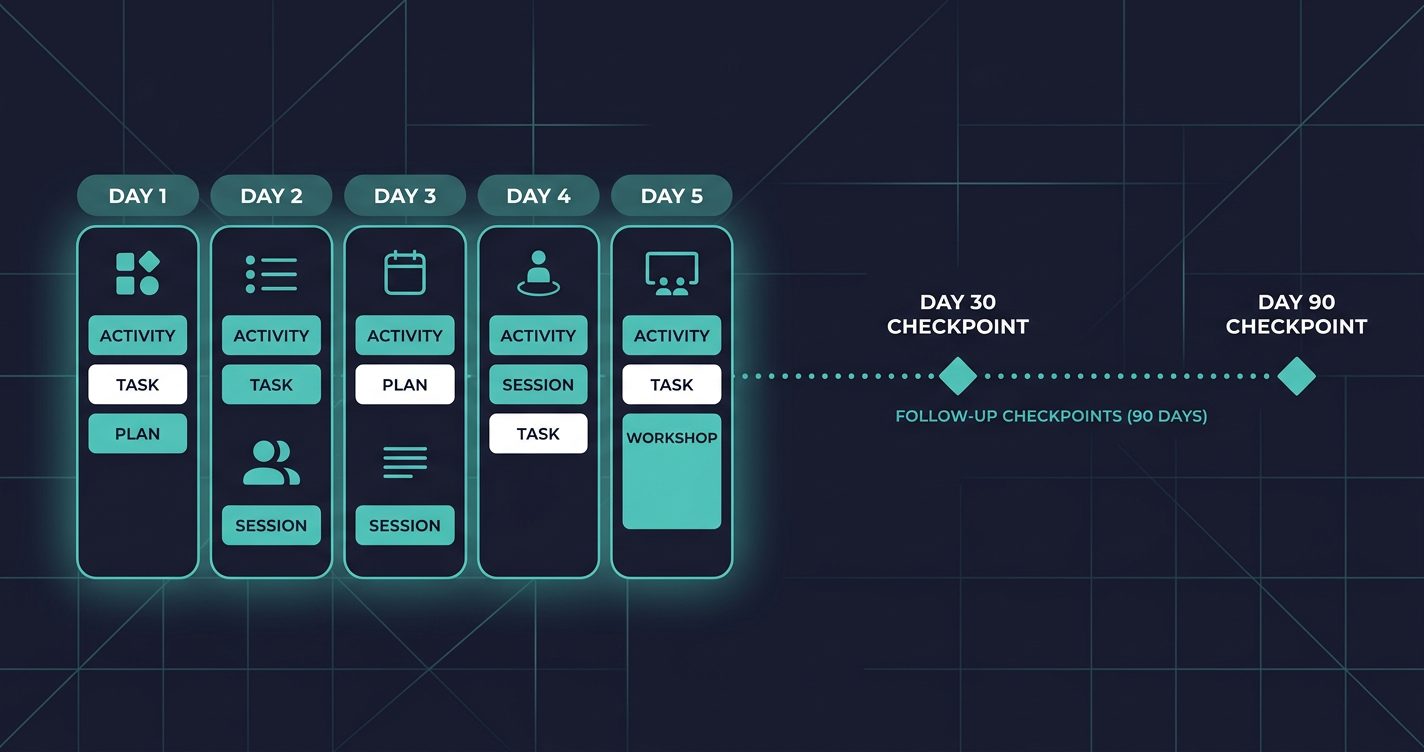
How to Run a Kaizen Event That Actually Holds 90 Days Later
Most Kaizen events produce a report and a list of actions. 90 days later, the process looks the same. The difference between events that hold and events that don't is not the quality of the analysis — it is what happens on Day 6. This post maps the pre-event, in-event, and post-event structure that sustains results.
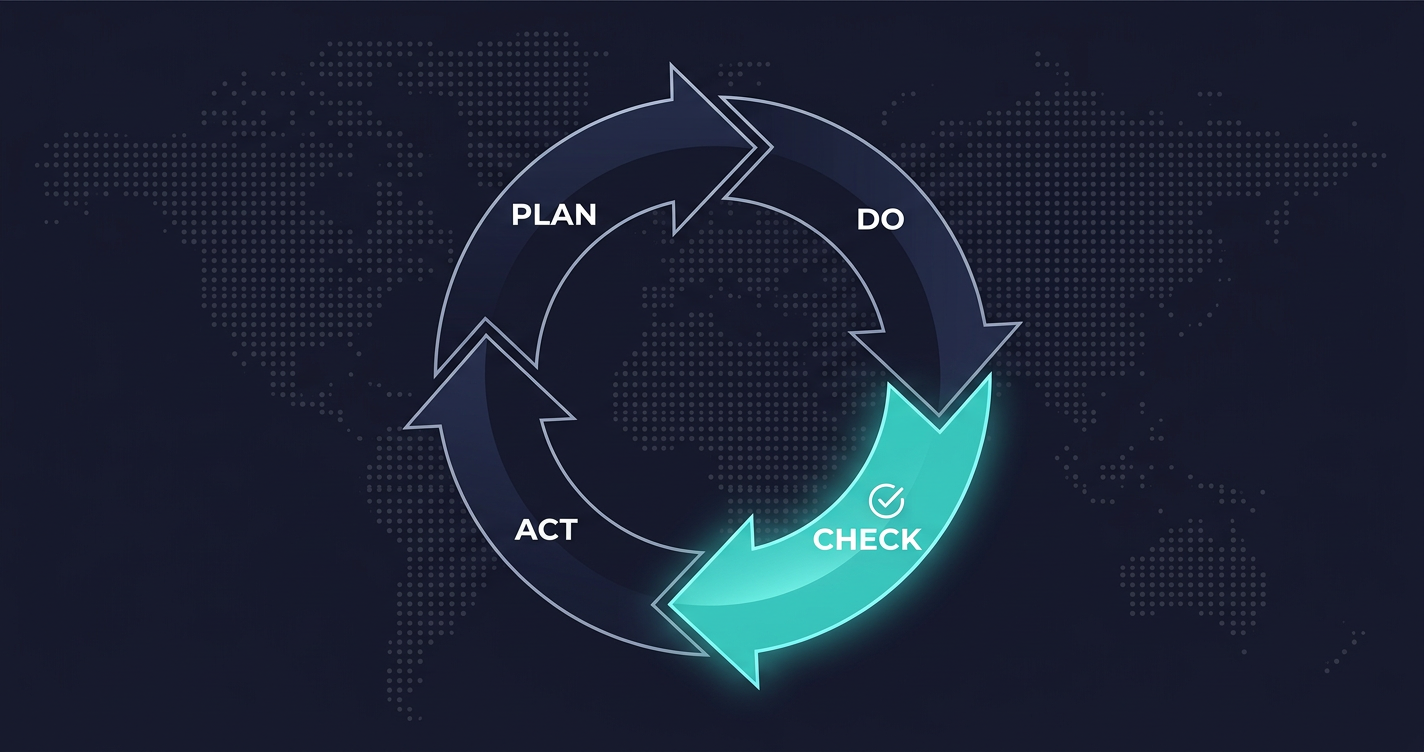
Why Your PDCA Cycle Feels Annoying — And How to Fix It in the Plan Step
PDCA cycles feel bureaucratic when the Plan step is weak. A vague hypothesis produces inconclusive results in the Do step, which produces meaningless data in the Check step, which produces no real decision in the Act step. This post maps what a properly constructed Plan step requires — and why most teams skip the hardest part.
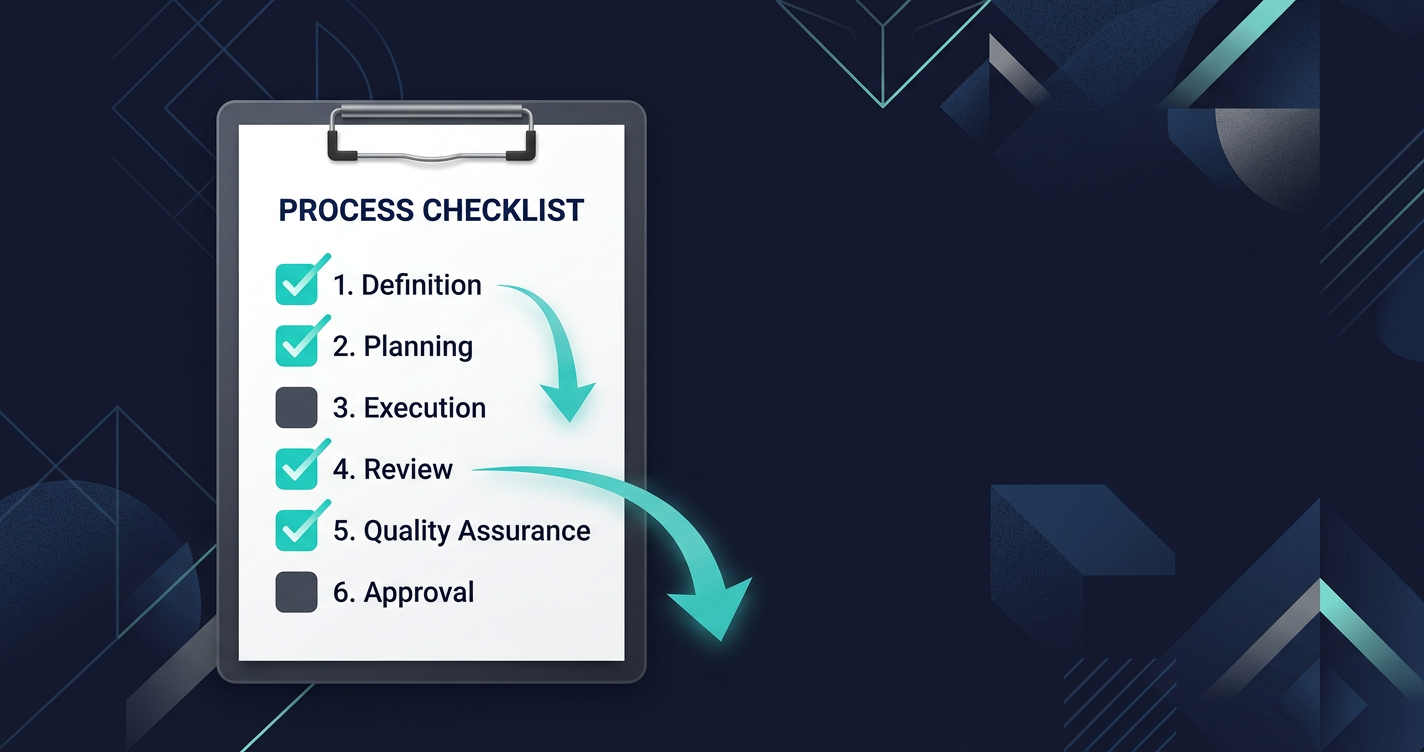
What a Process Improvement Plan Actually Is (and Why Most Don't Work)
Most process improvement plans are activity lists: workshops scheduled, tools to apply, a timeline. An actual plan defines the problem, the measurement baseline, the change hypothesis, and the control mechanism. This post explains the difference and maps the six components that separate plans that hold from plans that close.
What Is a Gemba Walk? The Management Principle That Exposes What Dashboards Miss
A Gemba walk is a structured observation of work where it happens. Dashboards show aggregated outcomes; Gemba shows actual behaviour, workarounds, and variance that never appear in reports. This post explains what a Gemba walk is, how to run one that produces actionable findings, and what it reveals that no reporting system captures.

Six Sigma Tools and Techniques: Which Tool to Use at Each DMAIC Phase
Six Sigma has over 40 tools. Most practitioners use the same five regardless of phase. This post maps the correct tool selection by DMAIC phase — which tools belong in Define, which in Measure, which in Analyze, which in Improve, which in Control — and explains why tool misapplication is the most common cause of inconclusive analysis.

The Hidden Cost of Process Standardization in Banking (and Why Your SOPs May Be Making Things Worse)
Process standardization is assumed to reduce variance and improve compliance. In banking, poorly sequenced standardization locks in broken steps at scale. This post maps the conditions under which SOPs make operations worse — and the diagnostic that tells you whether to standardize first or improve first.

What Is Business Process Analysis? (And Why Your IT Team's Version Won't Fix Your Operations)
Business process analysis means different things to IT and to operations. IT maps systems and integrations. Operations maps work, decisions, and failure modes. The two approaches produce incompatible outputs — and applying the wrong one to an operational problem wastes months and produces a diagram, not a fix.

Five Lean Principles for Banking: What They Actually Mean (and Why Most Banks Apply Only Two)
The five Lean principles — value, value stream, flow, pull, perfection — are cited in every banking transformation programme. Most apply only the first two and stop. This post maps what each principle requires in a banking context and explains why pull systems and perfection are the two that determine long-term results.

A Real DMAIC Example in Banking (With the Decisions That Actually Mattered)
DMAIC case studies typically present the methodology and the result. This post maps the decisions inside each phase — where the project almost went wrong, what the data actually showed, and why the team changed direction at the Analyze stage. A real DMAIC example from a KYC remediation project.
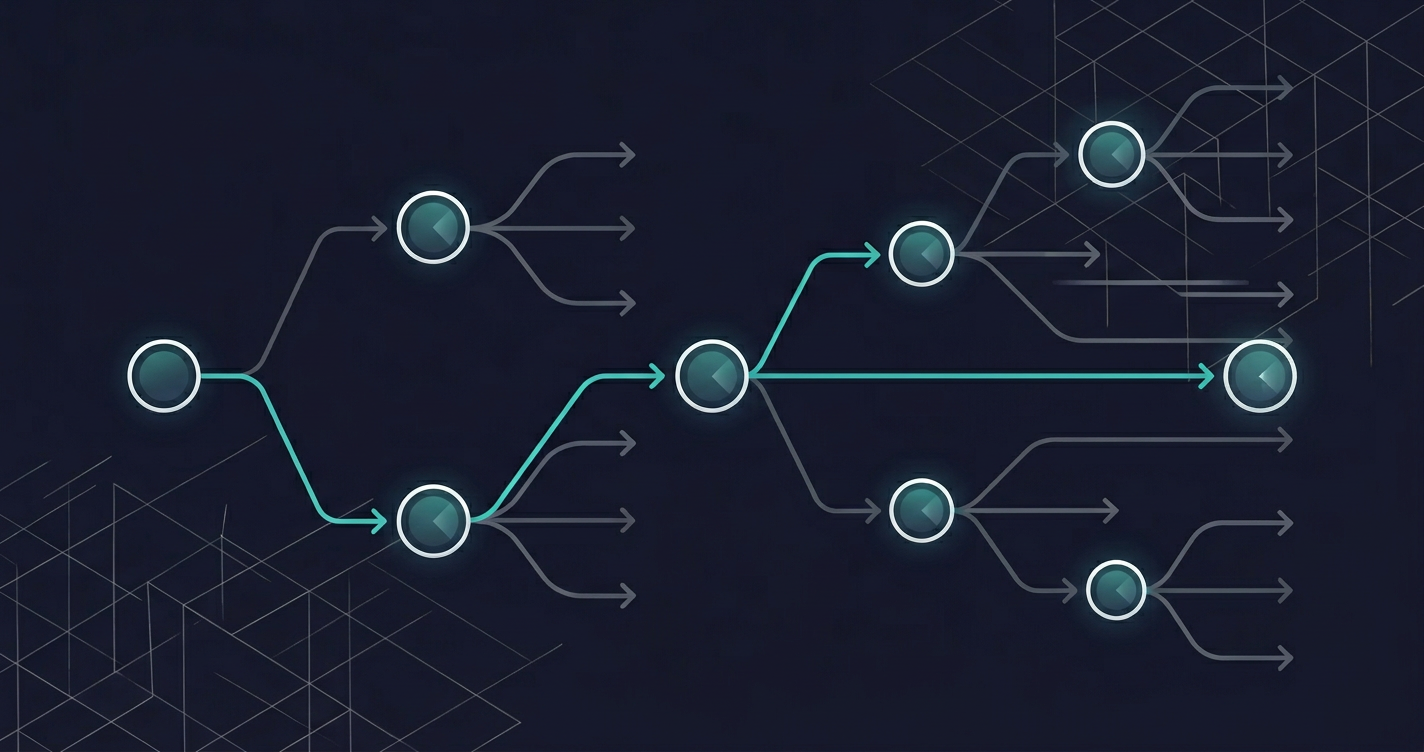
A Real Lean Six Sigma Case Study from Banking: 139 Days to 57
Most Lean Six Sigma case studies describe what happened after the project closed. This one maps the decisions that determined whether the result held. A trade finance loan process reduced from 139 days to 57 — and why the Control phase was harder than the Improve phase.
Operational Excellence in APAC Banking: The Leading Indicator Framework That Separates 2028 Winners From Permanent Waiters
Most APAC banks measure operational excellence through lagging indicators: cost ratios, error rates, complaint volumes. By the time these metrics move, the window for correction has closed. This post introduces the leading indicator framework that predicts operational outcomes 6–12 months before they appear in financial results.
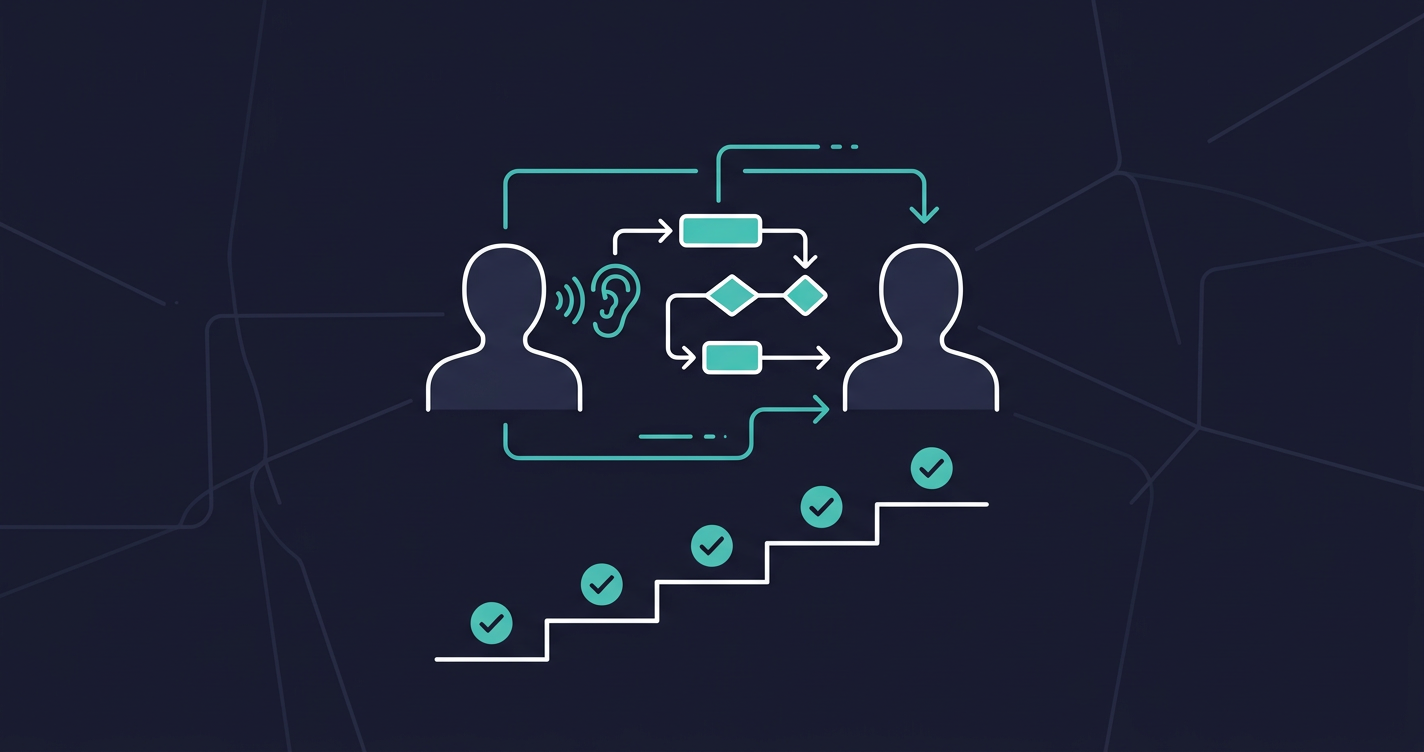
Change Management and Process Improvement: Why Listening Comes Before Changing
Process improvement projects fail not because the analysis is wrong but because the change management is absent. Staff who were not consulted do not adopt. This post maps the integration between change management and process improvement — and explains why listening is the first step, not a soft skill addendum.
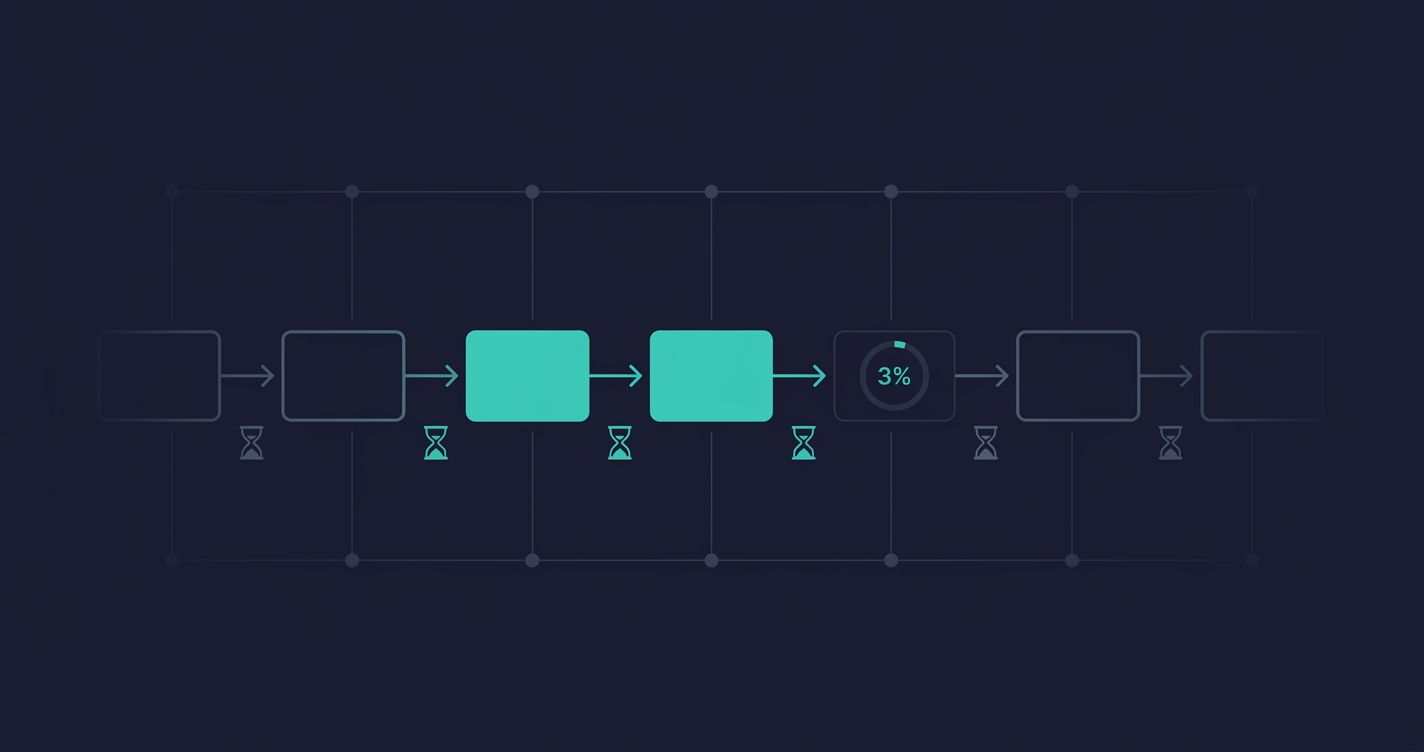
Value Stream Mapping in Banking: The 0.7% Problem Nobody Talks About
In manufacturing, value-added time typically runs 20–30% of total cycle time. In banking, the average is 0.7%. Value Stream Mapping exposes this gap — but only if teams map what actually happens, not the documented process. This post explains how VSM works in banking and why most maps are built on the wrong data.

Why Kaizen Methodology Fails in Banking — And What Daily Kaizen Actually Requires
Kaizen events get run, improvements get documented, and six months later the process looks the same. The failure is not the methodology — it is the missing infrastructure for Daily Kaizen: standardised work, visual management, and a frontline escalation path. This post maps what Daily Kaizen actually requires in banking.
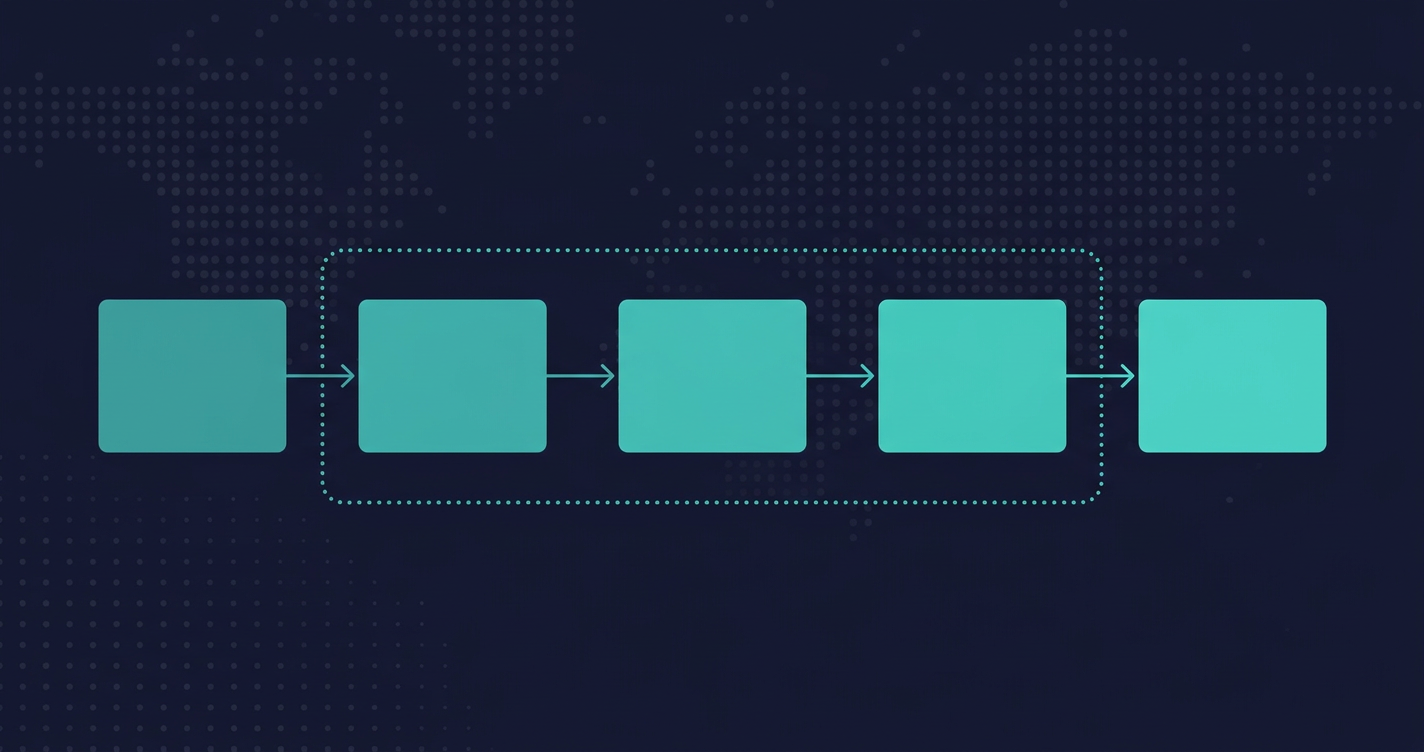
What Is a SIPOC Diagram — and Why Most Teams Use It Wrong
A SIPOC diagram maps Suppliers, Inputs, Process, Outputs, and Customers. Most teams use it as a documentation tool and stop there. Used correctly, it is a scope-setting instrument that prevents the single most common DMAIC failure: solving the wrong problem at the wrong level.
Lean vs Six Sigma in Banking: Stop Asking Which Is Better. Start Asking Which Problem You Have.
The Lean vs Six Sigma debate misframes the question. Lean eliminates waste and reduces cycle time; Six Sigma reduces defect rates and variation. In banking, most operations need both — but at different stages and for different problem types. This post maps the decision by problem category.
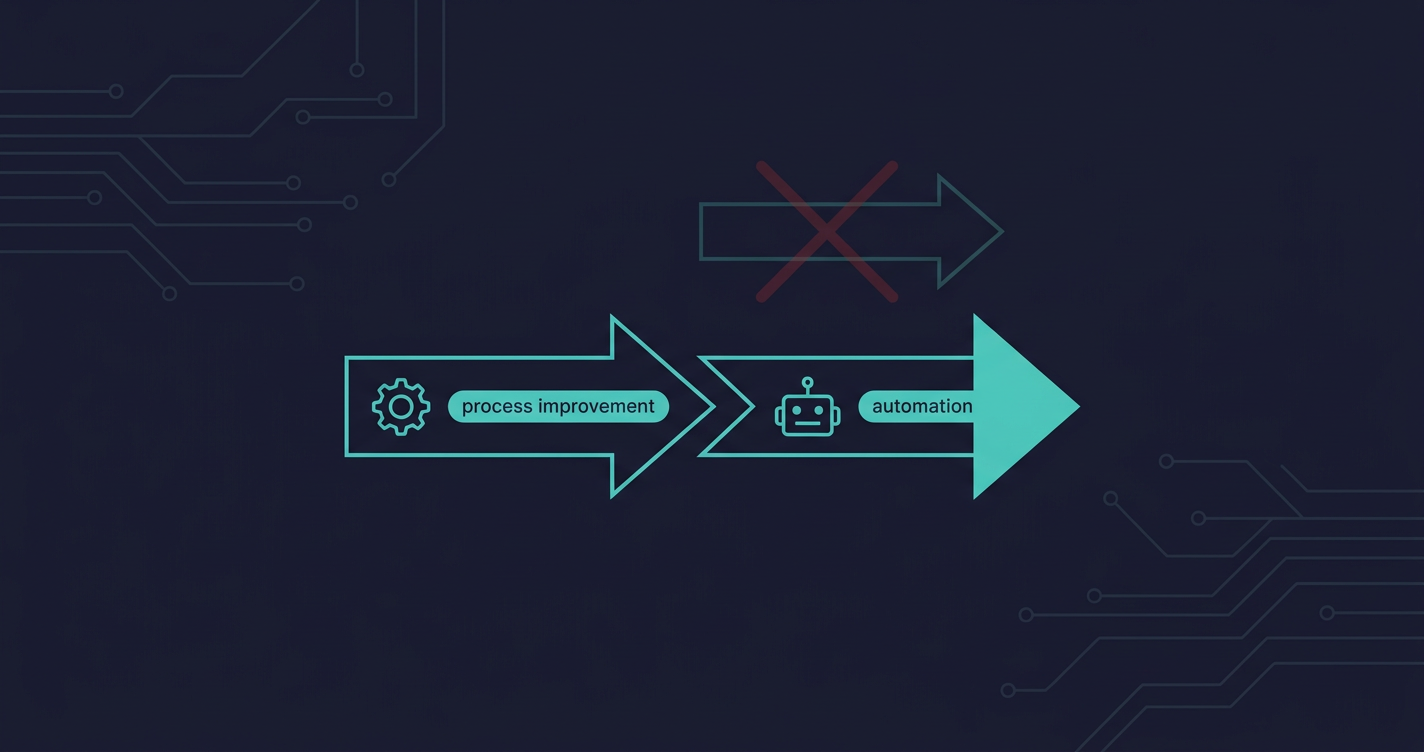
AI Automation vs Process Improvement: The Sequence That Determines Whether Either Works
Most organisations treat AI automation and process improvement as competing investments. They're not — but sequence determines whether either delivers value. Automating a broken process accelerates the failure. This post maps the correct sequence and explains why E-S-S-A-M sits before automation, not alongside it.
SOP Software Comparison 2026: The Criterion Every Evaluation Gets Wrong
Most SOP software evaluations compare features: templates, version control, access permissions. The criterion that determines whether SOPs actually get followed — process adherence tracking — is missing from almost every shortlist. This post explains the gap and maps what to evaluate instead.
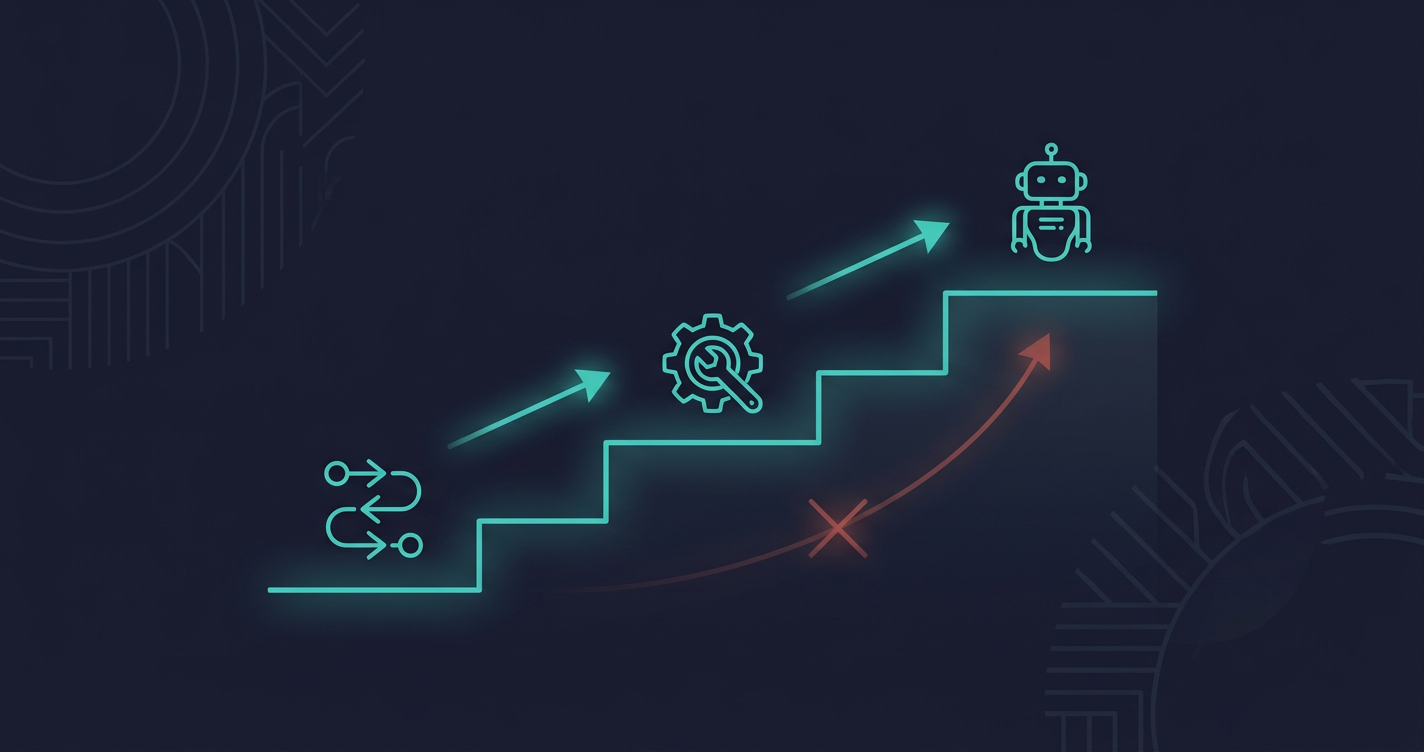
Why APAC Banks Can't Calculate Automation ROI, and What Kuwait Bank Did Instead
APAC banks approve automation projects on cost savings projections that exclude the two largest cost drivers: exception handling and compliance rework. This post explains the calculation gap and maps how Kuwait Bank rebuilt its automation ROI model to include the costs that vendor demos deliberately omit.

Root Cause Analysis Tools: Fishbone vs 5-Why vs FMEA—You're Asking the Wrong Question
Teams choose between Fishbone, 5-Why, and FMEA based on which tool they've used before — not based on the problem type. Each tool has a specific fit condition. Using 5-Why on a systemic, multi-cause problem produces a list of symptoms. Using FMEA on a simple process deviation wastes three meetings.
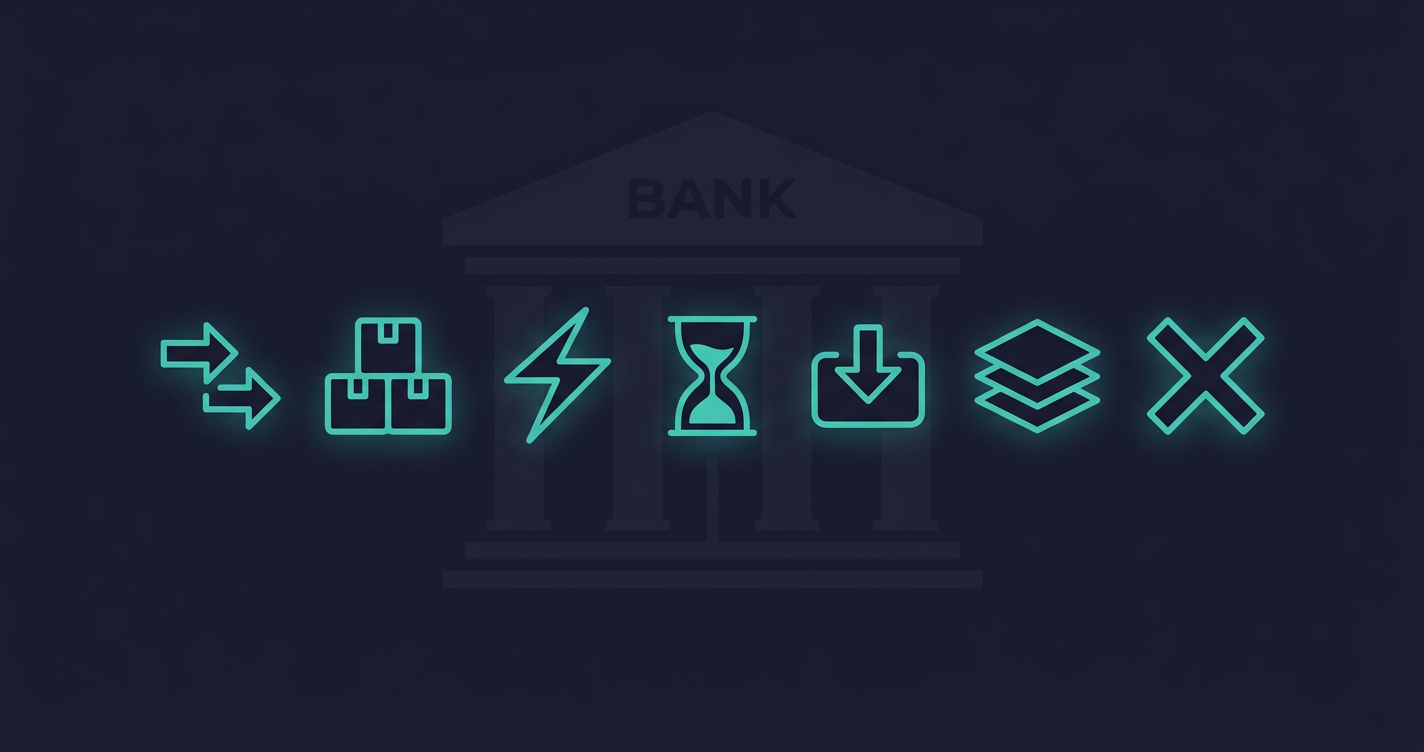
The 7 Types of Process Waste in Banking—And Why Your Lean Training Never Showed You This
The 7 wastes from Toyota's TPS were designed for manufacturing. Banking has the same seven wastes plus two that don't exist in manufacturing: compliance rework and approval loops. This post maps all nine waste types to real banking examples — and explains why standard Lean training misses the two that cause the most damage.

The 12 Process Improvement KPIs That Actually Tell You If Change Is Holding
Most process improvement dashboards track activity — tasks completed, workshops run, SOPs updated. None of that tells you if the change is holding. These 12 KPIs measure whether process improvement is actually sustaining, not just whether the project closed on time.
DMAIC vs PDCA: The Question Every Bank Gets Wrong Before It Even Starts
Banks choose between DMAIC and PDCA based on familiarity, not fit. DMAIC is a deep-dive methodology for complex, multi-root-cause problems. PDCA is a rapid iteration cycle for known problems with testable hypotheses. Choosing the wrong one wastes 6–8 weeks before the team realizes it.
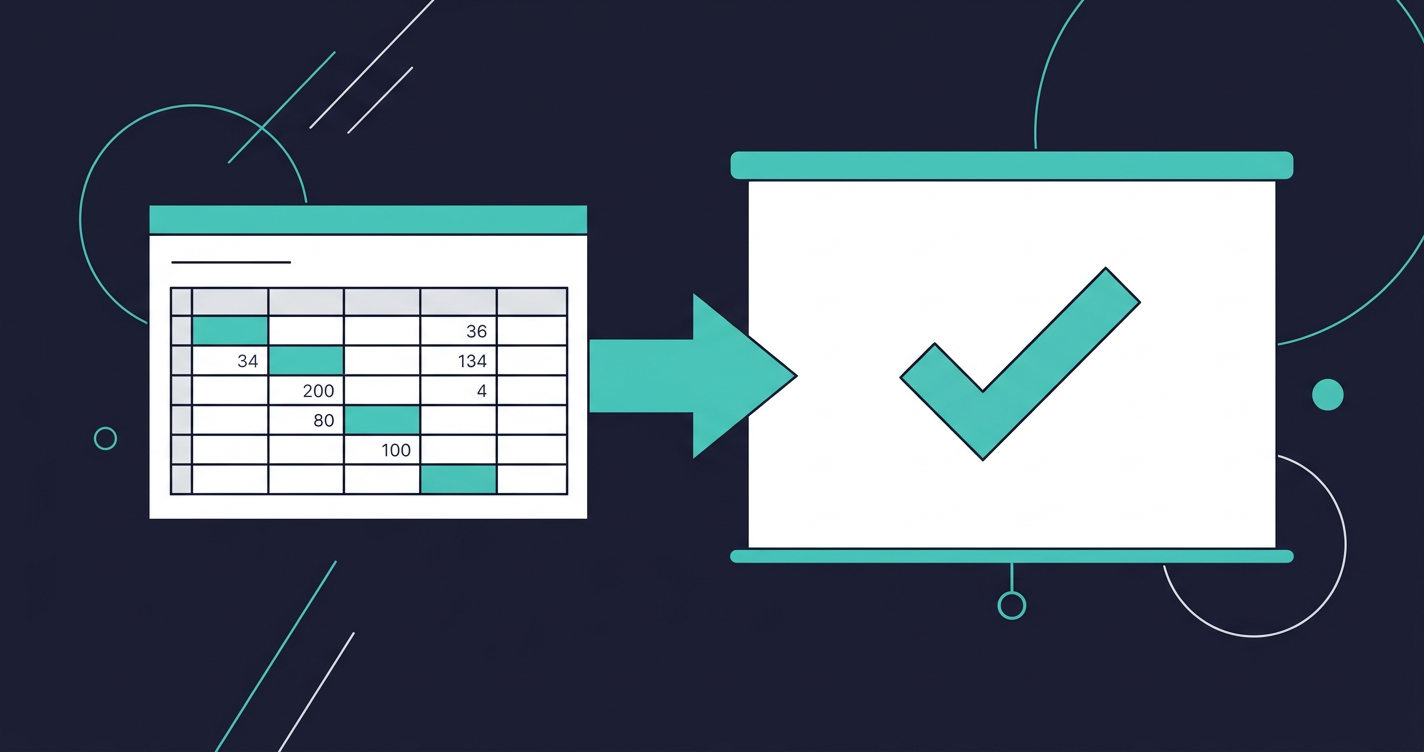
How to Calculate Process Improvement ROI: The Formula Operations Leaders Use to Get Budget Approved
Most process improvement proposals get rejected because they present qualitative benefits instead of a dollar figure. This post walks through the exact formula operations leaders use to calculate process improvement ROI — and shows why the standard calculation systematically underestimates real value.

ESSAM vs Enterprise BPM Platforms: You Might Be Comparing the Wrong Things
Enterprise BPM platforms are IT governance systems. ESSAM is a practitioner-operated process improvement platform for Lean Six Sigma teams. Comparing them as alternatives is a buyer profile error. This post maps when each fits and which questions reveal the mismatch.

Why Lean Six Sigma and Digital Transformation Are Failing Each Other in Banking
IT owns digital transformation. Operations owns process improvement. Their cadences don't align — and running both programs simultaneously on the same process causes each to degrade the other. The sequencing error that explains why 70% of banking transformations fail.

What Is Business Process Optimization? The Consultant's Definition vs. the Practitioner's Definition
The consultant's definition of business process optimization generates reports. The practitioner's definition starts with elimination. This post explains the difference and how the E-S-S-A-M framework sequences optimization correctly before any automation investment.

You're Not Looking for a Cheaper Consultant. You're Looking for a Different Operating Model.
70% of process improvement projects fail to sustain results because the consulting model is built for completion, not continuity. This post maps when a consultant is the right call, when a platform is, and what the structural difference means for operations teams.

Nobody Got Budget for "Process Improvement." Here's the Number That Gets the Yes.
Operations teams get process improvement budgets rejected because they present symptoms, not dollar figures. This post covers the formula — cycle time × fully-loaded labor cost × waste multipliers — and shows why most teams understate the cost of broken processes.

Best AI Tools for Lean Six Sigma 2026: Why Most Lists Get the Category Wrong
Most AI tool lists for LSS include general-purpose assistants with no DMAIC methodology. This post breaks down three categories — generic AI, AI-enhanced diagramming, and DMAIC-native platforms — and explains which category actually serves practitioners.

ESSAM vs BPM Platforms: Why Process Improvement Comes Before Workflow Automation
ESSAM and BPM workflow platforms don't compete — they serve different buyers at different stages. This post explains the distinction between process improvement and workflow automation, and why practitioners use both in sequence.
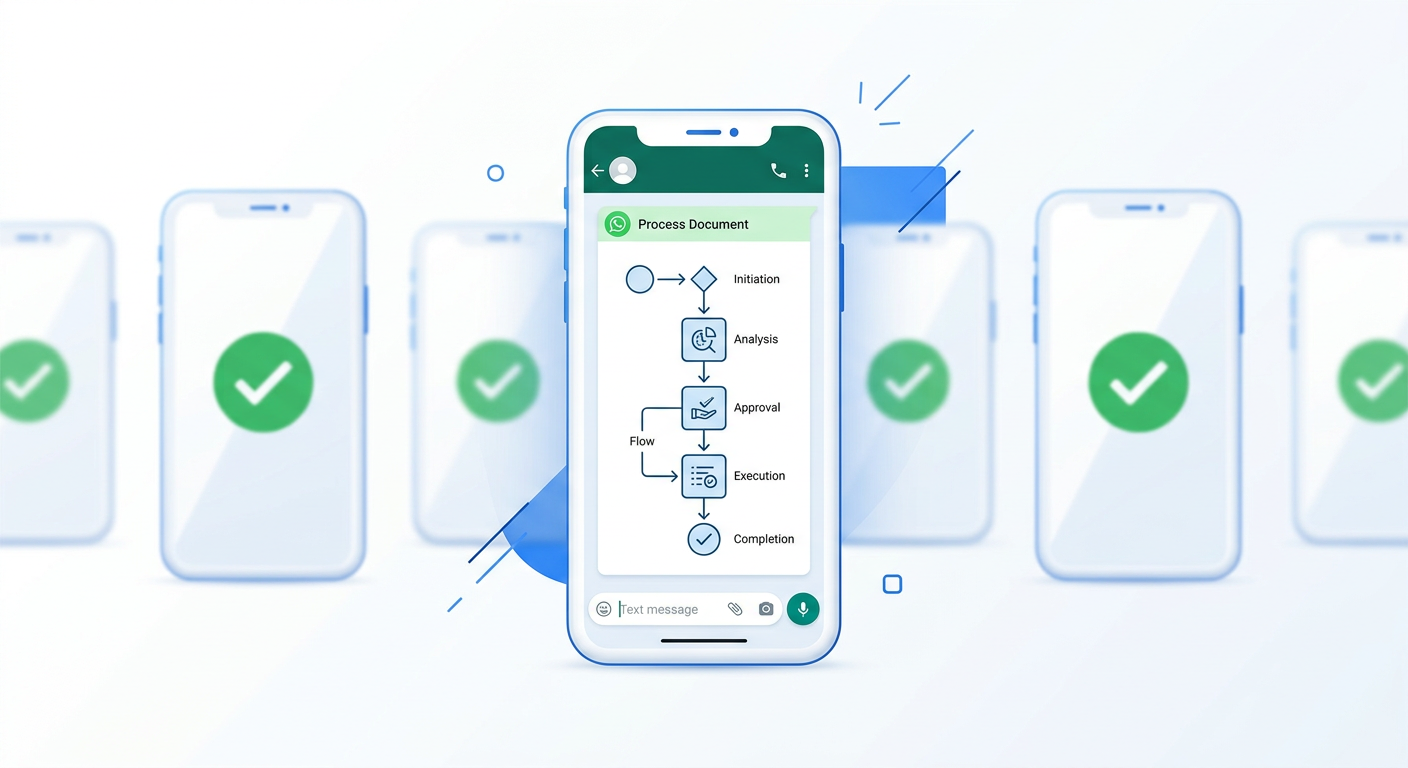
WhatsApp SOP Deployment: How to Roll Out Process Updates to Staff in 24 Hours
Most SOPs live in SharePoint folders that no one reads. This article explains how ESSAM deploys approved process documentation directly to frontline staff via WhatsApp — so process updates reach people in 24 hours, not weeks.

The Complete Guide to Business Process Optimization for Financial Services
Financial services organizations carry process debt that traditional IT modernization budgets don't account for. This guide covers the full business process optimization cycle for banks and financial institutions — baseline, analysis, redesign, and continuous improvement.
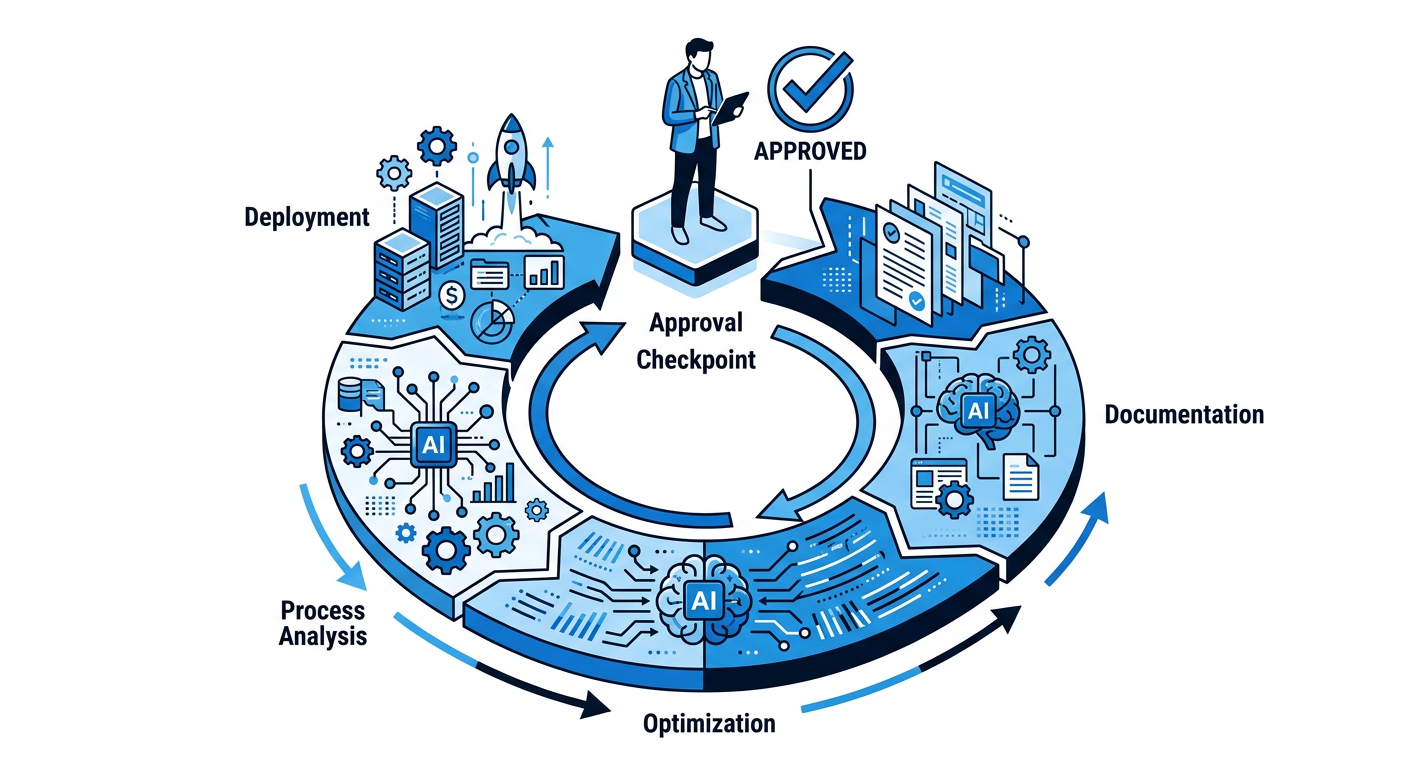
What is Agentic AI for Process Improvement? The 2026 Practitioner's Definition
Most practitioners are asking the wrong question about agentic AI. This article defines what agentic AI actually means in the context of process improvement — based on how 10,000+ Lean Six Sigma practitioners are using it in production with ESSAM.

How to Write an SOP with AI: From Process Description to Approved Document in 30 Minutes
Most SOP tools generate documents fast but fail to solve the real cost buried in procedures — the architecture problem. This guide walks through how AI-powered SOP creation in ESSAM goes from a raw process description to a reviewed, approved document in 30 minutes.

What is an AI Process Engineer? The 2026 Definition
An AI process engineer is not a new job title — it is a capability that emerges when a Lean Six Sigma practitioner is augmented by AI for documentation and analysis. This article defines the role based on what 10,000+ LSSBB practitioners using ESSAM actually do.
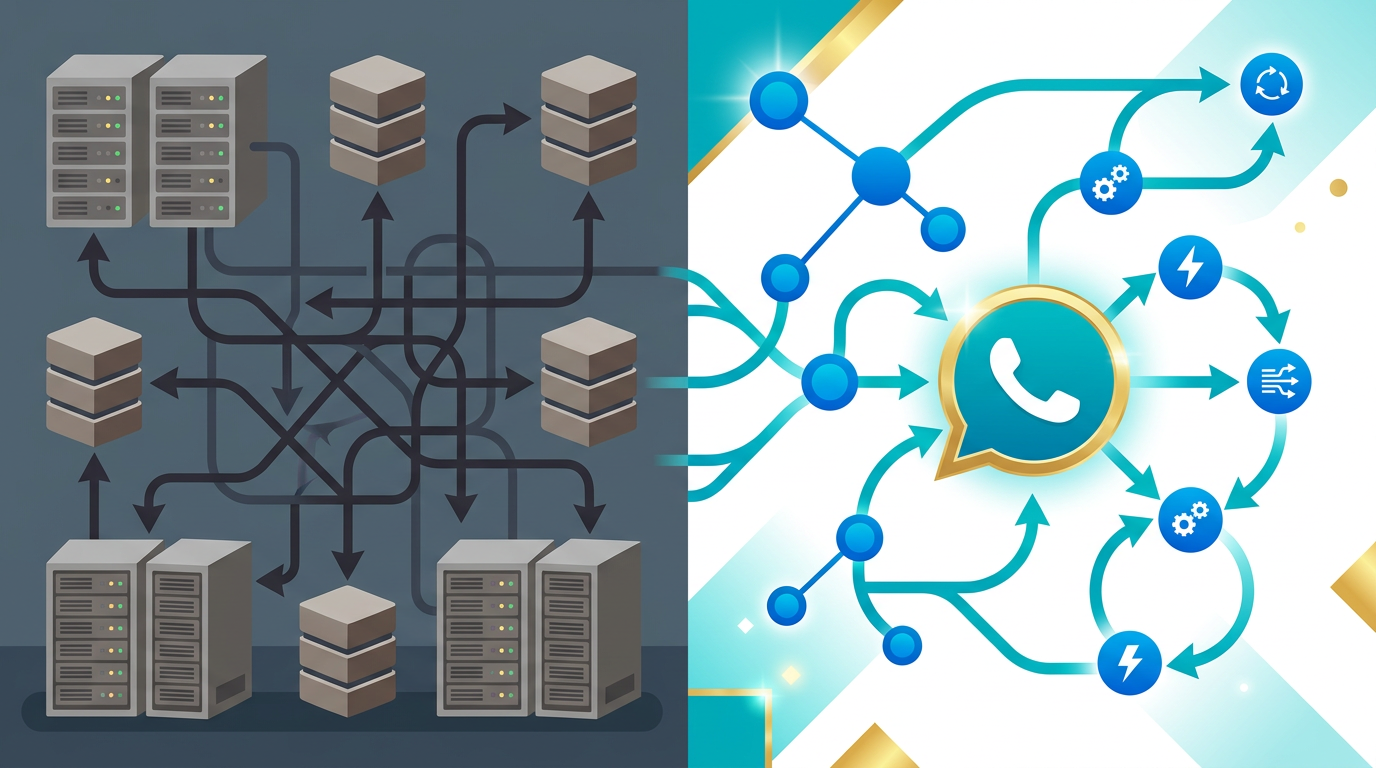
McKinsey's Latest AI Agent Strategy for Enterprise Ops — ESSAM Deployed It a Year Ago
McKinsey's May 2026 report validates the agentic process layer architecture that ESSAM has been running in production for a year. A MENA-region bank cut its procurement cycle from 139 days to 33.5 days — a 75.9% reduction delivered in weeks, not years.

The 30% Revenue Leak: How to Find and Fix Your Most Expensive Process in 48 Hours
Inefficient processes can drain up to 30% of an organization's revenue, creating hidden leaks that compound over time. This guide offers a 48-hour playbook to locate and remediate the most costly workflow. Using Essam's AI tools, companies can quickly close the leak and boost profitability.

Why Process Improvement Projects Fail Six Months After the Consultant Leaves
Seventy percent of transformation initiatives lose momentum after consultants depart, as static documentation and knowledge gaps erode gains. The post identifies three structural gaps that cause this decay. Essam's AI-driven platform provides living documentation and continuous governance to sustain results.

DMAIC Is Dead? What Agentic AI Actually Changes About Six Sigma Root Cause Analysis
While DMAIC remains a solid framework, the Measure phase often stalls at scale. Agentic AI reshapes this step, reducing execution costs and accelerating root cause analysis. Essam leverages this technology to make Six Sigma projects more defensible and efficient.

We Analyzed 500 Business Processes and Found the Same 6 Failures Every Time
Analyzing 500 business processes revealed six recurring failure modes that appear across industries, from manufacturing to healthcare. These invisible structural breakdowns drive hidden costs and hinder improvement. Essam's AI platform pinpoints and resolves them for sustainable optimization.
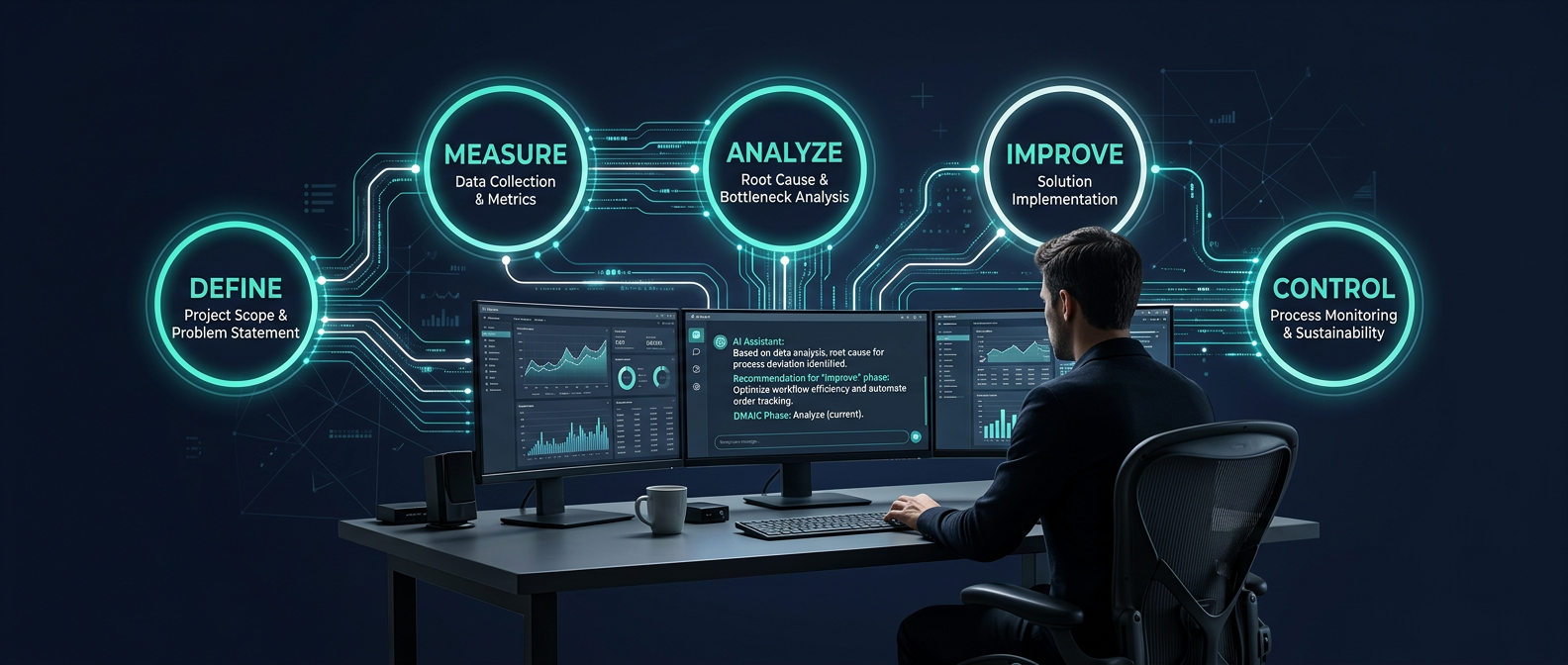
Why Lean Six Sigma Black Belts Are Choosing Agentic AI Over Traditional Process Documentation
Lean Six Sigma Black Belts face a persistent gap between the Analyze phase and producing usable process documentation. Essam.ai closes this gap with agentic AI that accelerates documentation and deployment without compromising DMAIC rigor.
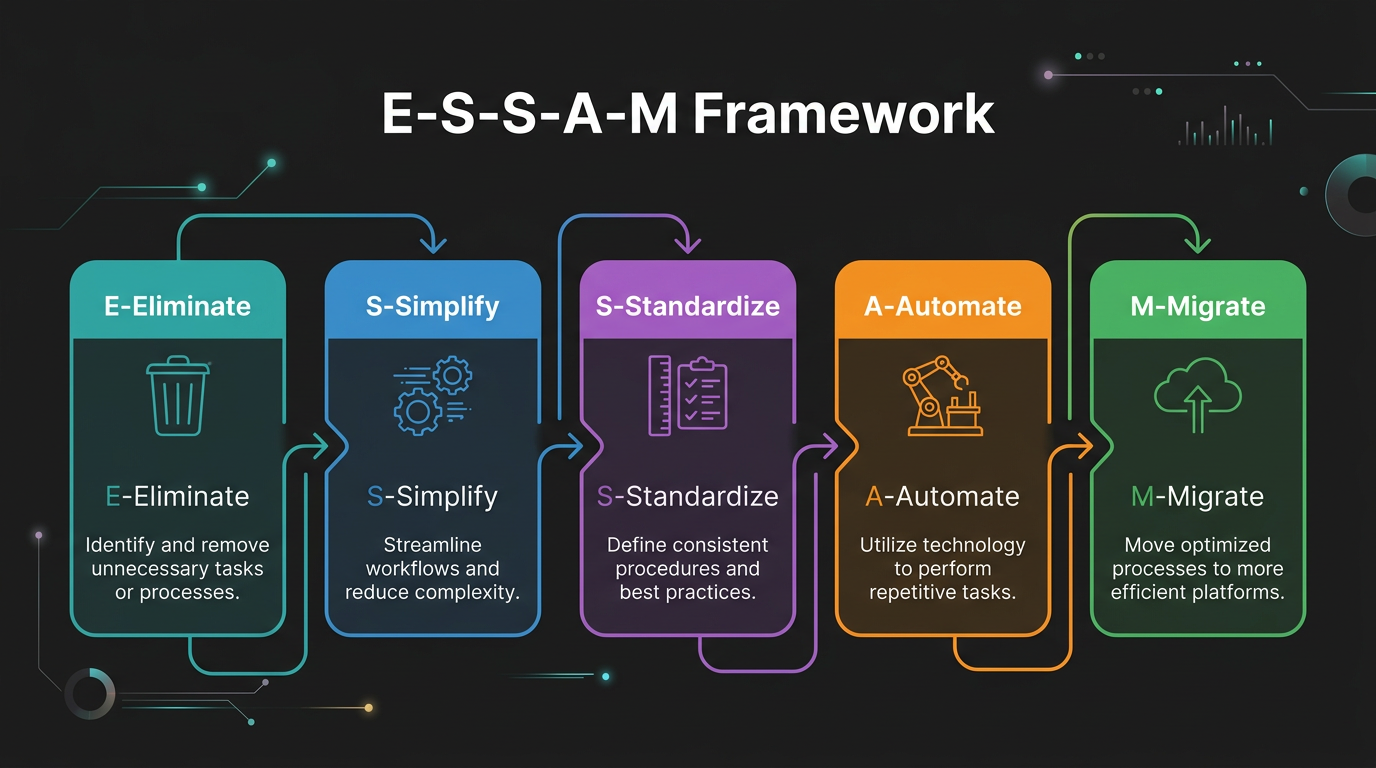
Understanding the E-S-S-A-M Framework
The E-S-S-A-M framework is a 5-step method — Eliminate, Simplify, Standardize, Automate, Migrate — that gives every process activity exactly the treatment it needs. Used by 10,000+ Lean Six Sigma professionals through Essam.ai, it turns DMAIC Improve-phase recommendations into deployed, audit-ready documentation.

What is ESSAM?
ESSAM is an AI process transformation platform that applies Lean Six Sigma methodology to baseline, analyze, redesign, document, and deploy business processes. Used by 10,000+ practitioners, it compresses the analysis-to-documentation cycle from weeks to hours and deploys SOPs directly to frontline staff via WhatsApp.